How to Care for Newly Sanded Wood Floors in Surbiton
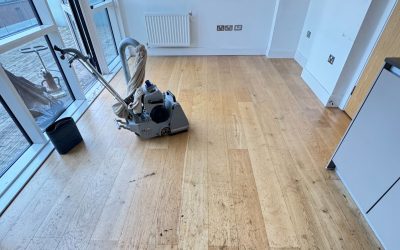
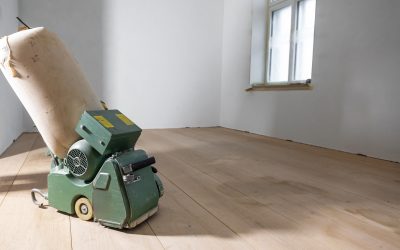
If you have recently invested in professional wood floor sanding in Surbiton, the job is only half complete. The sanding, repair work and finishing stage create the clean, even, protected surface, but the long-term result depends on what happens next. Good aftercare is what keeps newly restored timber looking sharp, smooth and consistent year after year. Bad aftercare is what turns a beautifully finished floor dull, scratched, patchy or prematurely worn.
In Surbiton homes, where period boards, parquet panels and hardwood floors often sit in busy family properties, entrance halls, loft conversions and open-plan living spaces, daily wear builds up faster than many homeowners expect. Grit from shoes, chair movement, pet claws, damp cleaning habits and the wrong products can shorten the life of the finish dramatically. The good news is that this is avoidable.
To keep newly sanded floors looking new for 10+ years, remove grit frequently, clean with the correct wood-floor product, avoid excess water and steam, protect the surface from furniture and foot traffic, control indoor humidity, and recoat the finish before it wears through. Routine dry cleaning and fast response to spills are among the most important maintenance habits recommended by wood-floor care guidance.
Why aftercare matters more than most homeowners realise
A newly sanded floor looks fresh because the damaged top layer has been removed and replaced with a properly prepared finish system. That may be a high-performance lacquer such as Bona Traffic HD, a hardwax oil such as Osmo Polyx-Oil, or another suitable sealing system chosen for the room, timber species and expected traffic levels. The finish is what takes the day-to-day punishment. Once that protective layer is neglected, dirt and abrasion start cutting into it, and from there the timber itself becomes more vulnerable.
This is especially relevant in Surbiton. Many local homes combine attractive original floors with modern family use. You may have children coming in from the garden, pushchairs crossing hallway boards, dining chairs dragging across oak, or pets turning at speed on parquet. In these conditions, the finish will last far longer when aftercare is planned rather than improvised.
A professional sanding job can absolutely give you a floor that performs for many years, but homeowners who get the best lifespan are usually the ones who follow a clear maintenance routine from day one.
The first 7 days are critical
The biggest mistake many people make is treating a newly finished floor as fully cured too soon. Floors may feel dry to the touch long before the finish has reached full hardness. That is why the early period after sanding matters so much.
During the first few days after completion:
Keep foot traffic light
Walk on the floor only as advised by your contractor. Clean socks are usually safer than outdoor shoes in the early stage.
Do not drag furniture back immediately
Heavy items, chairs and tables can mark a finish before it has fully hardened. Even when furniture is returned, felt protection should already be fitted to contact points.
Avoid rugs too early
Freshly finished floors need time to breathe and cure evenly. Covering sections too soon can interfere with this.
Keep pets’ claws off the surface where possible
This is often overlooked. Fresh finishes are far easier to mark in the early days.
Follow the finish-specific curing advice
Different systems behave differently. Water-based lacquers, hardwax oils and extra coats all have different drying and curing windows, which is why your aftercare instructions should match the actual finish used.
If you are unsure what was applied to your floor, ask before cleaning it. Using the wrong product too early can create haze, patchiness or adhesion problems.
Secret 1: Grit is the real enemy, not just “dirt”
When people think about floor care, they often focus on staining or spills. In practice, fine grit is one of the biggest causes of visible wear. It behaves like abrasive paper under shoes, socks, chair legs and pet paws. That is why otherwise clean-looking floors start to lose their sharpness in traffic lanes.
The simplest way to reduce wear is to remove grit before it starts grinding into the finish.
Best practice
- Sweep with a soft brush or dry microfibre pad regularly
- Vacuum using the hard-floor setting, not a beater bar
- Pay special attention to entrances, hallways, under dining tables and routes to the garden
- Lift dirt rather than pushing it around
NWFA consumer care guidance recommends routine sweeping, dust mopping, or vacuuming with the beater bar turned off, and also advises against wet mops and steam mops because excess water and steam can damage the finish and wood over time.
In Surbiton homes near busy roads, school runs and regular footfall in and out of the property, this makes an immediate difference. Entrance zones should never be treated as low-risk areas. They are the first places where premature dulling appears.
Secret 2: Use the right cleaner for the finish, not a general household product
A newly sanded floor is not the place for supermarket multipurpose cleaners, bleach sprays, vinegar mixes or harsh degreasers. These products are commonly used with good intentions, but many are unsuitable for sealed timber. Some leave residue. Some soften or dull the finish. Some over-wet the floor. Some simply are not designed for lacquered or oiled wood.
The safer rule is straightforward: use a cleaner made specifically for wood flooring, and ideally one recommended for the finish on your floor. Bona’s wood-floor cleaner is marketed for wood floors and states compatibility with both lacquered and oiled floors, with a dedicated option also available for oiled floors.
Avoid:
- Steam mops
- Soaking wet mop heads
- Vinegar and water DIY mixes
- Strong disinfectants
- Ammonia-based products
- Silicone-heavy shine products
- Anything that leaves waxy residue unless specifically intended for that finish system
Safer cleaning method:
- Dry remove dust and grit first
- Apply the correct cleaner lightly, never soaking the floor
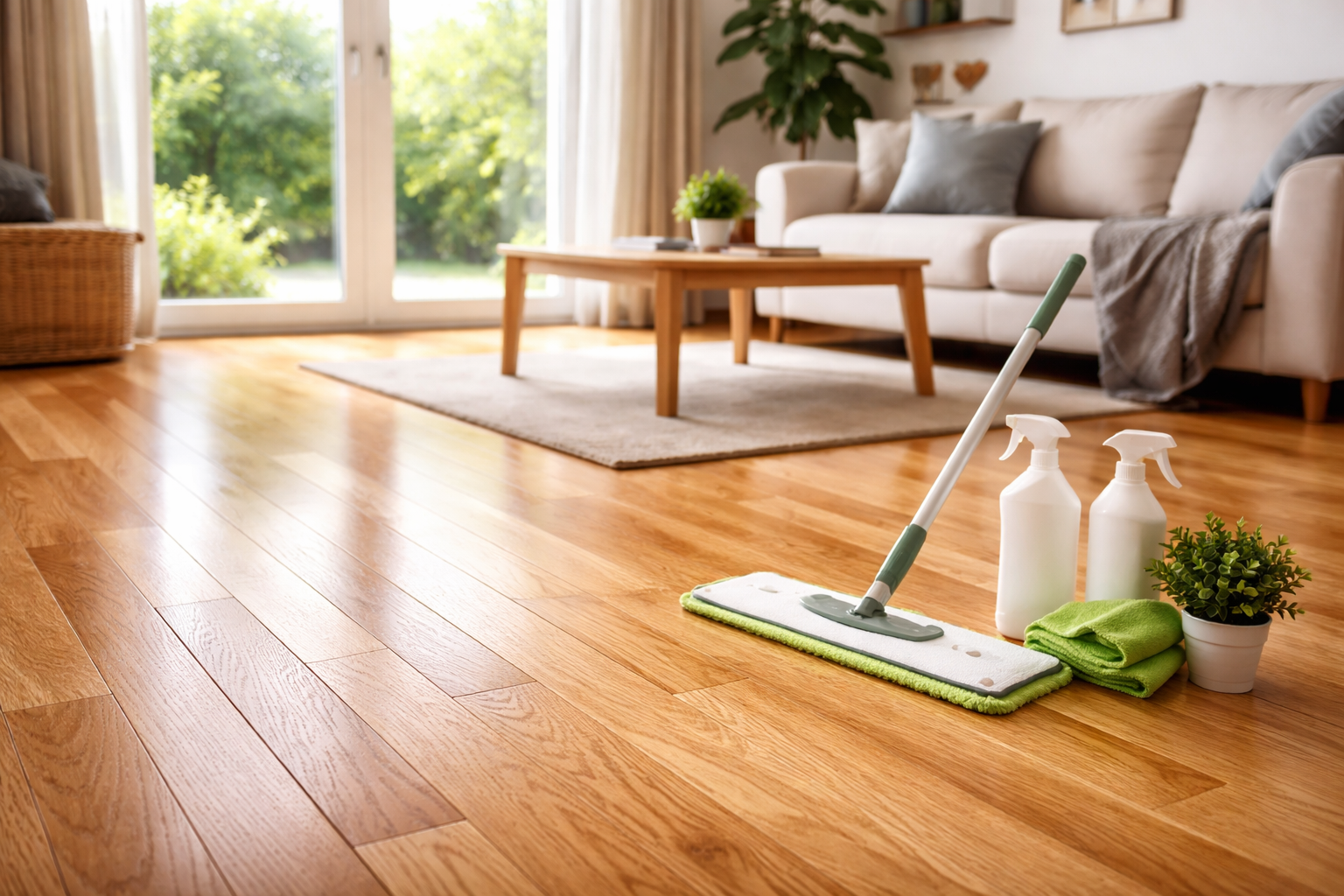
- Use a microfibre mop or pad
- Allow the floor to dry quickly without puddling
If you recently had dust-free wood floor sanding in Surbiton, keeping the surface residue-free is one of the easiest ways to preserve that clean, even look.
Secret 3: Water is a long-term problem even when the floor is sealed
A sealed floor is protected. It is not waterproof.
This is one of the biggest misunderstandings in residential aftercare. Homeowners see a lacquered or oiled floor and assume that regular damp mopping, wet shoes or slow spill cleanup are harmless. Over time, repeated moisture exposure can work at board edges, weaken joints, affect sheen consistency and contribute to staining or movement.
NWFA maintenance guidance says spills should be cleaned immediately and advises against wet mops or steam mops for hardwood floors.
What to do instead
- Wipe spills as soon as they happen
- Use only a lightly damp microfibre system when needed
- Dry the area after spot cleaning
- Keep plant pots on trays
- Never leave wet shoes, umbrellas or mop heads standing on the floor
- Use breathable entrance mats near doors
This matters even more in kitchens, garden-facing rooms and ground floors in older Surbiton homes where seasonal moisture changes can already affect timber movement.
Secret 4: Protect contact points before they start scratching
Freshly restored floors do not usually fail because of one dramatic event. They wear down through repeated small contact points. Dining chairs, stools, side tables, sofas shifted for cleaning, toy boxes and office chairs all leave a pattern over time.
Essential protection steps
- Fit felt pads under every furniture leg
- Replace worn pads before they become gritty or hard
- Use soft castors or protective mats under office chairs
- Lift furniture when moving it
- Avoid narrow metal contact points directly on the finish
This is particularly important on parquet, where repeated scratching can break up the visual uniformity of the pattern. If your home has restored blocks, read our related post on parquet floor sanding in Surbiton to understand why maintaining sharp lines and clean definition matters after restoration.
Secret 5: Shoes change the life expectancy of the finish
Not all foot traffic is equal.
Stiletto heels, tiny hard heel points, gritty trainers, football boots after the park, and shoes used outdoors in wet weather all accelerate wear. A newly sanded floor will hold up far better when the household adopts a simple shoe policy.
Practical rule
Keep outdoor shoes off the floor wherever possible, especially in high-traffic areas.
You do not need to become extreme about it. But asking family and guests to remove heavily soiled footwear, and using quality mats at entrance points, can save years of unnecessary wear. NWFA consumer guidance also highlights rugs or mats at entryways as a way to reduce dirt reaching the floor.
In busy Surbiton family homes, this one habit can noticeably reduce traffic-lane dullness in hallways and kitchen-diners.
Secret 6: Sunlight slowly changes the look of timber
Many homeowners focus on scratches and forget about UV exposure. Natural timber changes colour over time, and sunlight affects different species and finishes differently. That is why one area under a rug may look different from the exposed section beside it months later.
How to manage this
- Rotate rugs and furniture occasionally
- Use blinds or curtains during strong direct sun
- Expect some natural mellowing or toning in real wood
- Avoid leaving objects in one place for too long in newly restored rooms
This matters in Surbiton reception rooms and rear extensions with larger glazing, bifolds or bright south-facing aspects. Good aftercare is not just about preventing damage. It is also about maintaining visual consistency across the room.
Secret 7: Humidity control protects both the boards and the finish
Wood moves with environmental conditions. That does not mean every change is a problem, but sharp swings in moisture and temperature can contribute to shrinking, expansion, gapping, cupping or pressure at edges over time.
Professional restoration often includes checking floor condition, substrate issues and suitability before sanding. NWFA technical guidance exists because timber behaviour, installation conditions and long-term performance are all connected.
Good household habits include:
- Avoid extreme overheating indoors
- Ventilate sensibly
- Do not let wet cleaning raise room humidity unnecessarily
- Use extractor fans in adjacent wet areas
- Monitor conditions if the property is prone to dryness in winter or moisture in summer
This is particularly relevant in older buildings, ground-floor rooms and properties with previous damp history or fluctuating indoor conditions.
Secret 8: Recoat before the finish fails, not after
This is where homeowners either save money or end up paying for a full resand sooner than necessary.
A maintenance coat or recoat, done at the right stage, can renew protection before traffic has worn through to bare wood. Once that wear layer is gone in key paths, the floor is no longer a simple maintenance job. It is moving back towards more invasive restoration.
Signs a recoat may be due
- The floor looks dull in walkways even after proper cleaning
- Sheen has become patchy
- You can see wear patterns forming in front of doors or under tables
- Local scuffing is increasing
- The floor no longer cleans up as easily
Bona’s maintenance materials for finished wood floors also frame routine cleaning and periodic deep cleaning as part of a wider care system that helps preserve the appearance and service life of the floor.
The key point is this: do not wait until you can see widespread bare timber. A timely professional maintenance visit is almost always the smarter option.
Secret 9: Match the care routine to the finish type
Not every sanded floor should be maintained in exactly the same way.
Lacquered floors
These create a film on the surface and are often chosen for strong domestic durability and a clean, consistent look. They tend to need careful grit control and correct cleaning to avoid dulling.
Oiled or hardwax-oiled floors
These offer a more natural look and can be excellent for certain interiors, but they usually need product-compatible maintenance and may require refreshing differently from lacquered systems.
That is why aftercare should always reflect what is actually on the floor. A generic approach is where many avoidable mistakes begin.
For homeowners still deciding between systems, our post on hardwood floor sanding in Surbiton helps explain why finish choice affects both appearance and durability, while the complete homeowner’s guide gives broader context on process, upkeep and long-term value.
Secret 10: Professional advice beats guesswork
The final aftercare secret is the simplest one: do not guess.
If your floor was professionally sanded, ask for a finish-specific maintenance routine. Ask what cleaner is suitable. Ask when rugs can go back. Ask when furniture can be returned. Ask what the warning signs are for a maintenance coat. Ask how to look after entrance areas, pets, dining spaces and high-traffic routes.
This is where professional support matters. A restored floor should never be treated like laminate, vinyl or tile. Real timber rewards correct care and shows up poor care very quickly.
If you are unsure whether your floor needs a clean, a recoat or full restoration, start by reviewing floor sanding prices in Surbiton and speaking to a specialist. It is often far cheaper to maintain a quality finish than to wait until avoidable wear has gone too far.
A simple weekly and seasonal aftercare routine
To keep things practical, here is a realistic maintenance framework for most Surbiton homes.
Daily or every few days
- Dry mop or soft sweep high-use areas
- Check entrances for trapped grit
- Wipe up spills immediately
Weekly
- Vacuum with hard-floor setting
- Lightly clean with the correct wood-floor cleaner if needed
- Check felt pads and chair contact points
Monthly
- Inspect traffic lanes for dulling
- Look at thresholds, hallways and under dining chairs
- Rotate rugs or furniture if sunlight is creating contrast
Seasonally
- Review humidity changes
- Check for movement, gaps or signs of moisture stress
- Book professional advice if the finish is starting to look tired
Final thoughts
A newly sanded floor can still look excellent 10 years from now, but that result never happens by accident. It comes from simple, repeatable habits: remove grit, avoid excess moisture, clean with the right product, protect furniture contact points, manage traffic and schedule maintenance before the finish breaks down.
That is the difference between a floor that only looks new for a few months and one that still adds value, warmth and quality to the room years later.
If you want expert help maintaining or restoring your floor, visit Surbiton Floor Sanding for advice on care, sanding, repairs and refinishing tailored to your timber, finish and property type. The right aftercare plan is what protects the investment you have already made.