Key Takeaways: Longevity of timber floors in the UK depends on moisture control and correct cleaning protocols. Avoid steam mops at all costs. Regular ‘buff and coat’ services can extend the life of your finish by years, saving you thousands in full restoration costs.
The Problem: The ‘Slow Death’ of Beautiful Timber
You have invested in a stunning solid or engineered wood floor, but within months, it begins to lose its depth. This is a common problem for UK homeowners. Whether it’s the micro-scratches from grit brought in from the garden or the ‘clouding’ caused by using supermarket-brand cleaners, the beauty of your timber is under constant attack. Many people inadvertently ruin their floors by using too much water or, worse, steam mops, which force moisture into the grain, causing irreversible swelling and ‘cupping.’
The Agitation: The Cost of Neglect
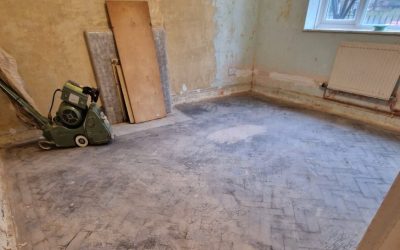
Neglecting maintenance isn’t just an aesthetic issue; it’s a financial one. Once a lacquer or oil finish is completely worn through to the bare wood, the timber becomes susceptible to deep staining and ‘tannin pull.’ At this stage, a simple maintenance buff is no longer possible, and you are faced with the agitation and expense of a full, aggressive sand back to bare wood. In the UK’s fluctuating humidity (often swinging from 30% in winter to 70% in summer), timber that isn’t correctly sealed and maintained will move excessively, leading to structural gaps and creaking floorboards.
The Solution: A Professional Maintenance Strategy
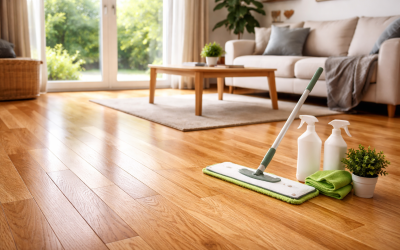
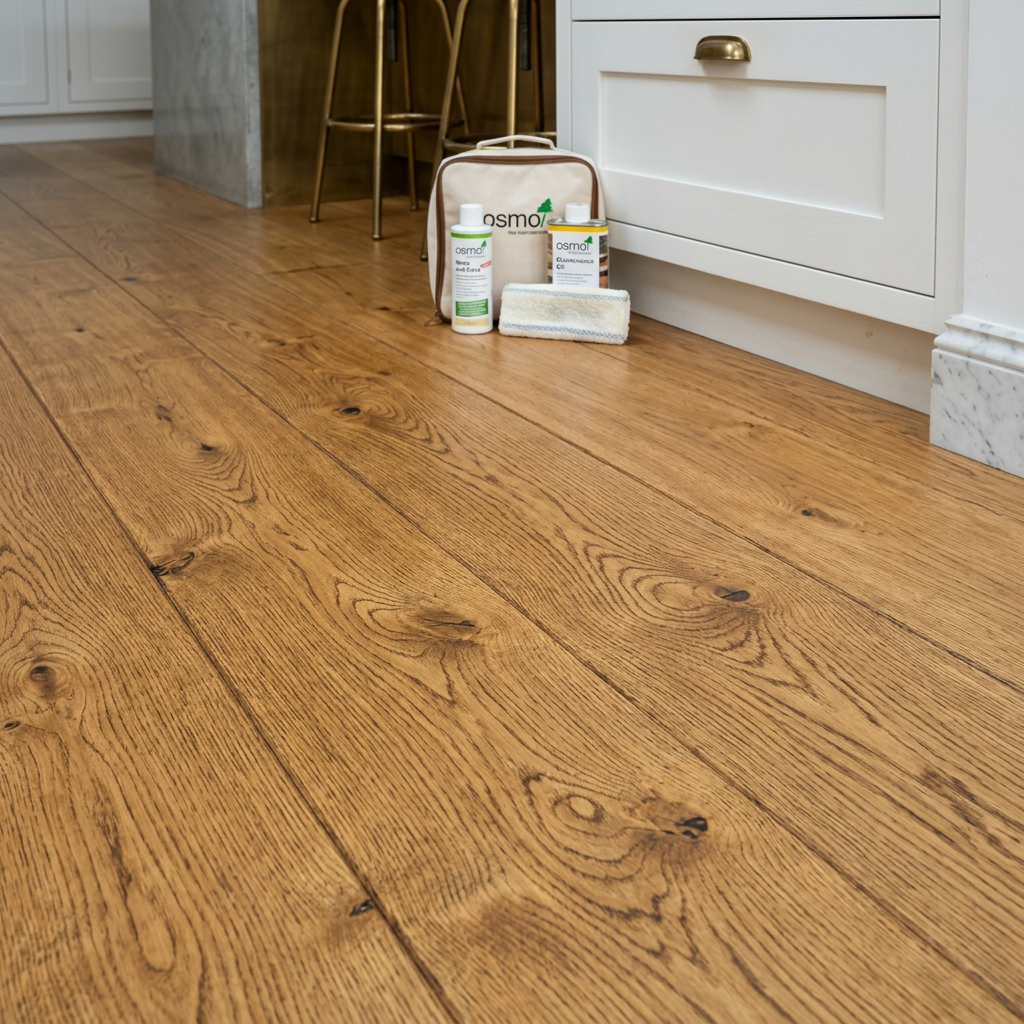
The secret to floor longevity is a professional-grade floor sanding surbiton aftercare regime. First and foremost: ditch the bucket and mop. Use a pH-neutral spray cleaner (like the Bona Wood Floor Cleaning Kit). This ensures you are not stripping the finish or leaving a dulling residue.
The Science of Moisture Content
Timber is hygroscopic, meaning it absorbs moisture from the air. In the UK, we recommend maintaining an indoor relative humidity of 45-65%. This keeps the moisture content of the timber stable, preventing ‘grain raising.’ For engineered floors, this is particularly critical to prevent delamination of the oak wear layer from the birch plywood core.
Pro-Tip: The ‘Buff and Coat’ Procedure
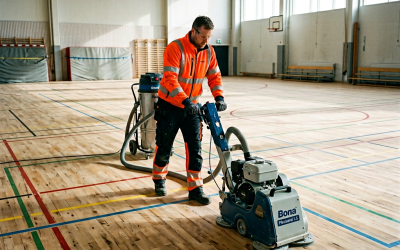
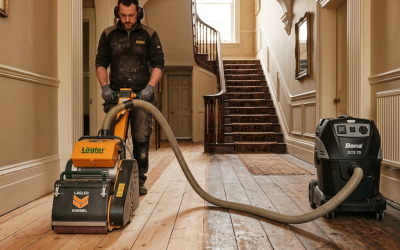
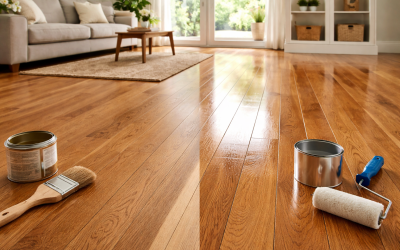
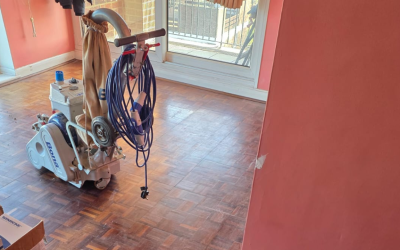
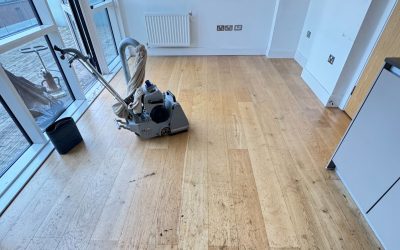
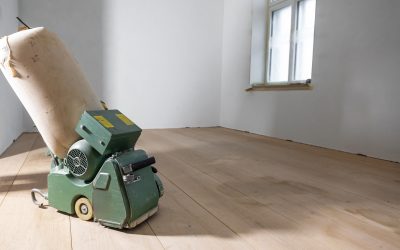
Instead of waiting 10 years for a full sand, we recommend a ‘buff and coat’ every 2-3 years for high-traffic areas like kitchens and hallways. We use a Bona Flexisand with a maroon pad to lightly key the existing finish, followed by a fresh coat of Bona Traffic HD or Blanchon Maintenance Oil. This ‘sacrificial layer’ takes the wear and tear, keeping the original timber protected. Check our [Internal Link: How to Clean Wood Floors] and [Internal Link: Engineered vs Solid Wood] for more advice. For the best maintenance products, we recommend Blanchon UK.