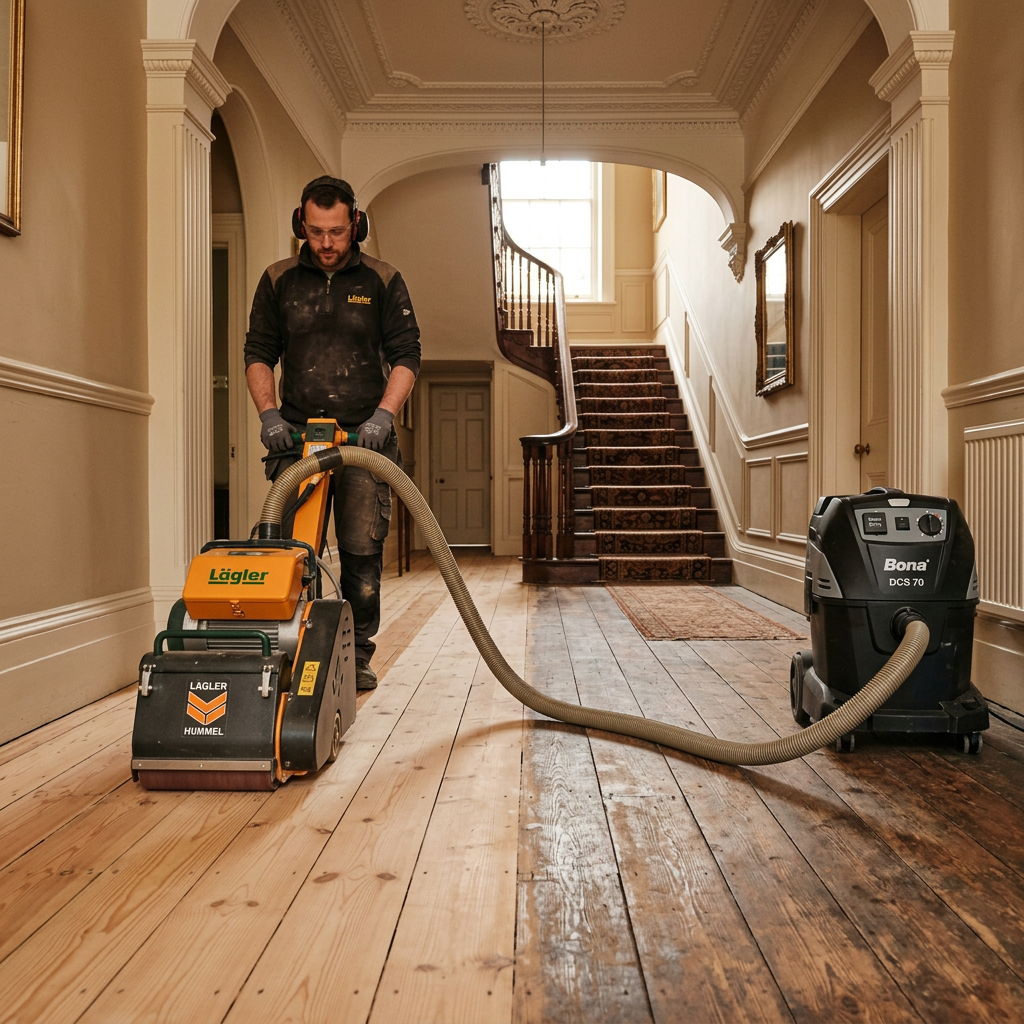
Key Takeaways: Victorian pine floorboards require a delicate balance of aggressive sanding and sympathetic finishing. Using dust-free technology like the Lagler Hummel ensures a clean environment, while grit sequences (40-100) are vital for removing years of bitumen. Gap filling and Osmo Hardwax Oil provide the perfect heritage aesthetic with modern durability.
The Hidden Heritage Beneath Your Feet
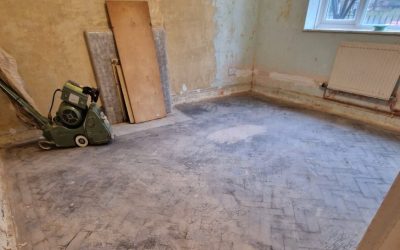
Many homeowners across the UK are fortunate enough to live in period properties where original Victorian pine timber is hidden beneath layers of old carpet or lino. However, the reality of revealing these boards often presents a problem: they are frequently covered in thick, black bitumen, scarred by decades of wear, and riddled with drafty gaps that let heat escape and dust enter. These floorboards are not just a walking surface; they are a historical asset that, if left neglected, devalues the aesthetic and thermal efficiency of your home.
The Agitation: More Than Just an Eyesore
Neglecting your period floorboards leads to more than just an unsightly room. In the damp UK climate, unprotected pine can suffer from moisture content fluctuations, leading to cupping or crowning. Gaps between boards act as ‘thermal bridges,’ significantly increasing your heating bills—especially frustrating with current energy prices. Furthermore, the prospect of ‘DIY sanding’ often leads to disaster; hire-shop machines are notoriously underpowered and dust-heavy, often leaving deep gouges in soft pine that even professional tradesmen struggle to rectify. The agitation of living with drafty, splintered floors is a constant reminder of a heritage feature that is failing to perform.
The Solution: Professional Restoration and Technical Precision
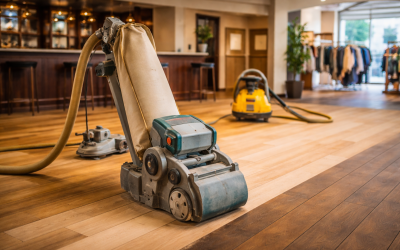
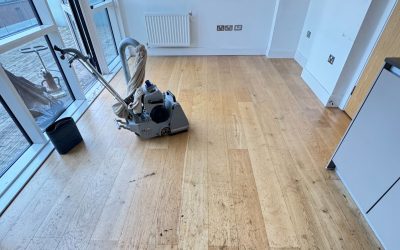
The solution lies in a systematic, professional approach to floor sanding surbiton and heritage restoration. Our process begins with the ‘Big Guns’—the Lagler Hummel. For uneven Victorian pine, we typically start with a 40-grit Zirconia belt. This aggressive start is necessary to strip back the ‘bitumen halo’ and level the boards.
Pro-Tip: The Grit Sequence
A common mistake is jumping too quickly to fine grits. For pine, we recommend 40-60-80-100. Skipping the 60-grit stage often leaves ‘pigtails’ or sanding marks that only appear once the finish is applied. After the 80-grit pass, we perform ‘gap filling.’ This involves mixing the fine sanding dust with a specialist resin (like Bona Mix & Fill) to create a paste that perfectly matches the timber’s colour. For wider gaps, we use reclaimed pine slivers to ensure structural integrity.
Finishing with Osmo Hardwax Oil
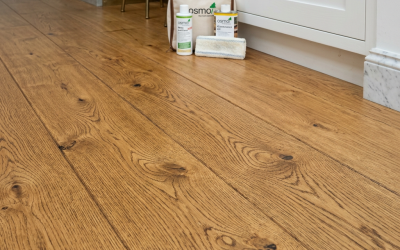
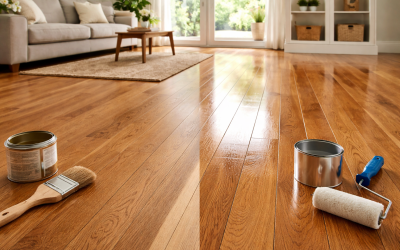
In the UK’s humidity, we find that Osmo Hardwax Oil is superior for period pine. It allows the timber to breathe and move naturally. We apply two thin coats, ensuring the grain is saturated but not flooded. The curing time in typical British humidity is roughly 8-12 hours per coat. Unlike lacquers, Hardwax oil is easily spot-repaired, making it ideal for high-traffic Victorian hallways.
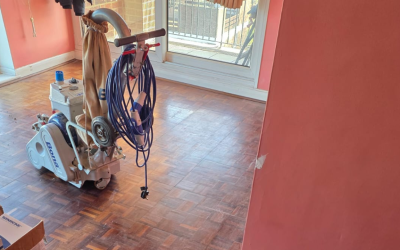
For further reading, explore our guides on [Internal Link: Choosing the Right Finish] and [Internal Link: Parquet Restoration Techniques]. You can also consult the official Osmo UK website for technical data sheets. Professional restoration ensures your home retains its character while providing a durable, VAT-inclusive investment for years to come.