Best Finish for Wood Floors in Surbiton: Oil vs Lacquer
If you are planning wood floor sanding in Surbiton, choosing the right finish matters just as much as the sanding itself. The final coating affects how your floor looks, how it handles daily wear, how easily it can be maintained, and how well it suits the style of your home. In Surbiton, where you find everything from Victorian and Edwardian houses to smart flats and family homes near the river, the right finish needs to match both the timber and the way the room is actually used.
For most homeowners, the decision comes down to two leading options: oil and lacquer. Both can produce excellent results when professionally applied, but they behave very differently. One gives a more natural, breathable appearance with easy spot-repair potential. The other creates a tougher surface film that is often better for busy family life, pets, and high-traffic areas.
At Surbiton Floor Sanding, we help homeowners decide between finishes based on timber species, subfloor condition, room use, moisture exposure, light levels, and the result they want to achieve. If you have been comparing finish options after reading our guides on wood floor sanding in Surbiton, hardwood floor sanding in Surbiton, or the complete homeowner’s guide to wood floor sanding in Surbiton, this article will help you make the right final choice.
Why the finish matters after floor sanding
A properly sanded timber floor is only half the job. Once the old coatings, stains, scratches, and surface wear have been removed, the bare wood needs protection. Without the right finish, freshly sanded boards can quickly absorb dirt, moisture, and household traffic.
The finish determines:
- how natural or sealed the floor looks
- how resistant it is to scratching and scuffing
- how it responds to spills and foot traffic
- how easy it is to clean and maintain
- whether future repairs can be carried out locally or require a full recoat
- how the floor colour appears in natural and artificial light
That means the oil-versus-lacquer decision is not simply aesthetic. It is a practical choice that affects long-term maintenance, household convenience, and the life cycle cost of the floor.
What is an oil finish?
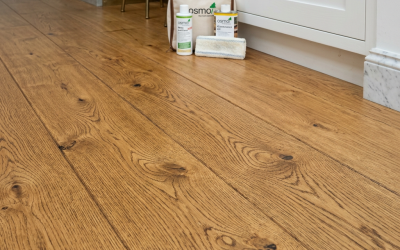
In wood floor restoration, “oil” usually refers to a hardwax oil or penetrating floor oil rather than a simple untreated oil. These products soak into the timber fibres and enhance the grain rather than sitting as a thick plastic-looking film on top.
A quality oil finish tends to:
- emphasise natural grain and texture
- create a low-sheen, organic appearance
- feel warmer and more tactile underfoot
- allow easier local maintenance in worn areas
- suit period interiors and character properties particularly well
This is one reason oil is popular in Surbiton homes with original pine boards, parquet, or oak floors where the owner wants the timber to look authentic rather than heavily coated.
If you have decorative parquet, it is also worth reading our guide to parquet floor sanding in Surbiton, because finish choice can dramatically alter how the pattern and colour variation read across the room.
What is a lacquer finish?
Lacquer, often described by homeowners as varnish, is a surface coating that forms a protective film over the timber. Modern professional lacquers are usually waterborne systems designed for durability, lower odour, and a cleaner overall appearance.
A lacquer finish typically offers:
- a tougher sealed wear layer
- strong resistance to day-to-day foot traffic
- easier routine cleaning
- a choice of matt, extra matt, satin, or gloss sheen levels
- a more uniform, refined finish across the whole floor
For busy households in Surbiton, especially those with children, pets, and heavy use in hallways or open-plan reception rooms, lacquer is often the practical favourite.
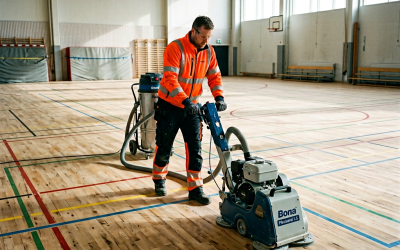
Professional two-component waterborne lacquers such as Bona Traffic HD are designed for heavy-wear floors. Bona’s current technical data notes a recoating time of about 2 to 3 hours, light use after 24 hours, and full cure after roughly 7 days under normal conditions.
Oil vs. lacquer: the visual difference
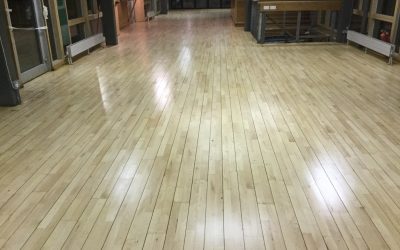
Oil gives a more natural, open-grain look
If you want your floor to look like real wood rather than a coated surface, oil is often the better choice. It tends to deepen grain definition and create a softer, more natural finish. On oak, this can look rich and elegant. On older pine boards, it can reveal character, tonal movement, and age in a very attractive way.
In Surbiton’s older housing stock, especially in period homes with original joinery, fireplaces, and traditional proportions, an oiled finish often feels more architecturally sympathetic.
Lacquer gives a cleaner, more controlled finish
Lacquer still allows the timber to show through, particularly in matt and ultra-matt versions, but the appearance is generally more sealed and even. If you want a smart, contemporary finish in a family kitchen-diner, hallway, or modernised living space, lacquer often delivers that cleaner visual line.
For homeowners who prefer a neater, easier-care finish rather than a more textured and evolving patina, lacquer usually wins.
Which finish is more durable?
This is where lacquer often comes out ahead for pure wear resistance.
A good professional lacquer creates a sealed top layer designed to handle repeated use. In heavy-traffic domestic settings, it usually offers better short-term resistance to:
- muddy shoes
- pet claws
- chairs dragged across the floor
- repeated footfall in entranceways
- routine household cleaning
That does not mean oil is weak. A properly specified hardwax oil can perform very well, particularly in living rooms, bedrooms, studies, and moderate-traffic spaces. However, it behaves differently. Rather than acting as a hard outer shell in the same way as lacquer, oil becomes part of the timber surface and ages more naturally.
For households that prioritise maximum resilience with minimal day-to-day concern, lacquer is often the more forgiving choice.
Which finish is easier to repair?
This is where oil has a major advantage.
Oiled floors are easier to repair locally
If a small section becomes worn, scratched, or dull, an oiled floor can often be cleaned, abraded lightly, and re-oiled in a localised area without redoing the whole room. That makes it especially attractive for homeowners who want a maintainable finish rather than one that needs more extensive future work.
Lacquered floors usually need broader recoating
With lacquer, local repairs can be harder to blend invisibly because the coating forms a continuous film. If a section is badly damaged, the repair area may stand out unless the larger area is re-sanded or re-coated.
So if you are thinking long term, and you would rather maintain the floor gradually over time instead of waiting for a full refurbishment cycle, oil is often the better option.
Drying and curing times: what Surbiton homeowners should know
Homeowners often focus only on how the floor looks on day one, but drying and curing times matter as well, especially in a busy house.
Bona Traffic HD, a widely used professional lacquer, is designed for fast turnaround, with recoating in around 2 to 3 hours, light use after 24 hours, and full cure at about 7 days.
Osmo UK states that Polyx-Oil floors can usually take light traffic once dry after two coats, but the full curing process takes around 10 to 14 days, and rugs or coverings should be avoided during that period.
In practice, that means lacquer is often preferred when homeowners want the room back into use sooner and need a faster return to normal family life. Oil may take longer to reach full hardness, but many people accept that trade-off because they prefer the appearance and repairability.
Which finish is best for different rooms?
Hallways and entrances
Lacquer is often the stronger option here. These areas deal with grit, wet shoes, and repeated traffic. A professional matt lacquer provides good protection while keeping the look modern.
Living rooms
This depends on the style of the property. If the room is formal, elegant, or recently renovated in a more contemporary way, lacquer can look crisp and smart. If it is a character room with original boards, fireplaces, sash-style detailing, or period features, oil often looks more authentic.
Bedrooms
Oil can be an excellent bedroom choice because traffic is lighter and the warm, natural finish suits more relaxed spaces.
Dining rooms
Both finishes can work well. For a more natural, premium appearance, choose oil. For easier everyday clean-up and stronger spill resistance, choose lacquer.
Kitchens
This depends on layout, ventilation, and household habits. Where there is frequent wiping, chair movement, and family activity, lacquer is often simpler to live with. In lower-intensity kitchen spaces, hardwax oil can still perform well when maintained properly.
Parquet floors
Both can work beautifully on parquet. Oil tends to enrich the pattern and highlight grain direction. Lacquer can provide a sharper, cleaner visual finish with stronger surface wear resistance. The correct choice depends on whether you want warmth and texture or uniform durability.
What works best in Surbiton homes specifically?
Surbiton has a mix of architectural styles, and finish choice should reflect that rather than relying on a one-size-fits-all answer.
Period homes with original timber floors
Older Surbiton properties often benefit from oil, especially where the goal is to preserve character. Original pine boards and restored parquet can look too flat or overly sealed if the wrong coating is used. Oil usually complements heritage interiors more naturally.
Family homes with heavy daily use
If the floor is in constant use and the owners want easier everyday upkeep, lacquer is often the stronger recommendation.
Premium modern interiors
In cleaner, design-led interiors with a minimalist aesthetic, extra matt lacquer often delivers the sleek, low-sheen look many homeowners want.
Character-led renovations
Where the floor is part of the visual identity of the room, oil often gives the more sophisticated result because it celebrates grain, variation, and texture rather than masking them.
Technical considerations a professional will assess before choosing
A finish should never be chosen by appearance alone. A proper floor sanding specialist will also assess:
- timber species and grain pattern
- previous coatings and contamination
- board movement and subfloor stability
- moisture risk and room environment
- gap width and repair requirements
- traffic levels
- sheen preference
- maintenance expectations
For example, reclaimed pine with visible movement and historic character may suit a breathable-looking oil finish. A flat, high-use oak floor in a modern extension may be better protected with a commercial-grade lacquer.
Trade bodies such as the NWFA emphasise proper specification, care, and maintenance as part of long-term wood floor performance.
The cost question: is oil or lacquer more expensive?
The answer depends on the product system, floor condition, number of coats, and the amount of preparation required. On some projects, oil can cost more because of product choice and labour. On others, lacquer systems with upgraded high-traffic coatings can narrow the gap.
The live Surbiton pricing page currently lists separate pricing structures for clear lacquer, hardwax oil, wood floor oil, staining, and upgraded high-traffic lacquer, which confirms that finish selection directly affects project cost.
That is why the best approach is not to ask which finish is cheapest, but which finish gives the right long-term value for your room and how you use it.
So, which finish is best for your Surbiton home?
Choose oil if:
- you want a more natural, character-rich look
- you have a period property or original timber
- you like a warmer, less coated appearance
- you want easier local maintenance and touch-ups
- you are happy to follow a more involved maintenance routine over time
Choose lacquer if:
- you want stronger surface durability
- your home has children, pets, or heavy daily traffic
- you want easier routine cleaning
- you prefer a crisp, even, contemporary finish
- you need faster turnaround and quicker return to use
Our recommendation
For many Surbiton homes, there is no universal winner. The best finish depends on the boards, the room, and the household.
If you are restoring original pine boards in a period reception room, oil is often the better-looking result.
If you are refinishing a busy hallway, family room, or heavily used oak floor, lacquer is often the more practical result.
If you are unsure, the right answer is to have the floor assessed properly before sanding begins. At Surbiton Floor Sanding, we look at the floor as a whole: timber type, wear pattern, moisture risk, repairs, finish expectations, and long-term maintenance. That way, the finish is chosen for the property, not just from a generic preference list.
If you are planning floor restoration and want clear advice on oil, hardwax oil, or lacquer systems, contact the team through the Surbiton Floor Sanding homepage or request a quote after reviewing the likely finish options on the prices page. For additional product guidance and wood floor care information, manufacturer and trade resources such as Bona, Osmo, and the NWFA are also useful references.